
Most brands think community is something you launch. A campaign, an event, a moment.
Something you announce, people show up to, and then ideally stick around.
But the longer I’ve spent building one, the more I’ve realized that’s not how it works at all.
Community isn’t something you launch. It’s something you earn.
This was triggered by a new store in the neighborhood… the GM had asked me what I’ve learnt from building a creative community inside of a retail space.
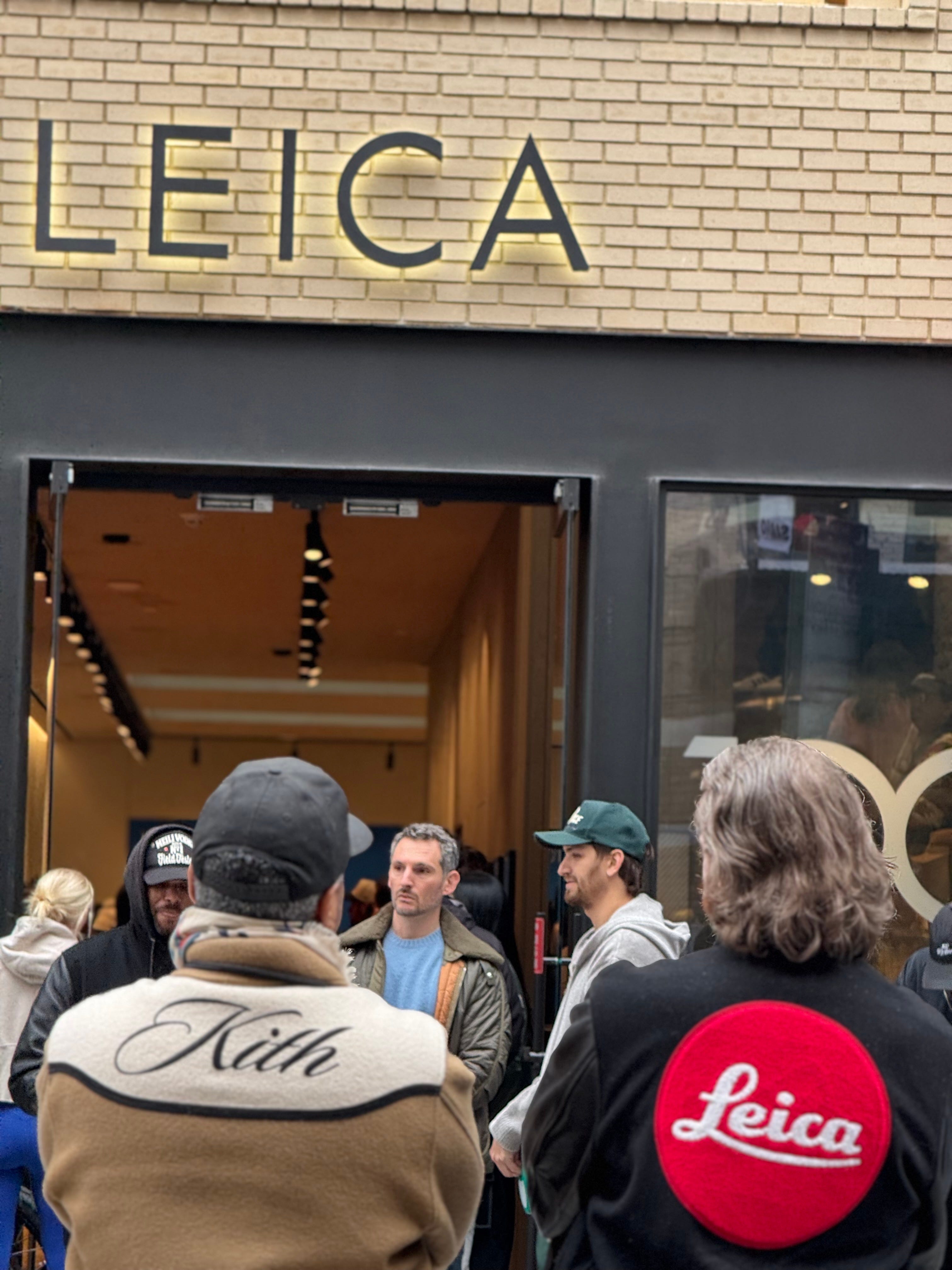
Over the last couple of years, I’ve been building out a retail and gallery space in New York for Leica centered around photography. What started as a place to buy cameras slowly became something else. It’s become a place where photographers, creatives and curious people could spend time, connect and come back to.
Not because they had to. Because they wanted to.
And that shift didn’t come from one big idea or a perfectly executed event. It came from a series of small, consistent decisions over time.
The biggest one: you have to give before you ever ask for anything back.
You can’t treat community like a marketing channel. People feel that immediately. They know when they’re being funneled toward something versus when they’re being welcomed into something.
Supporting the community means showing up without an agenda. It means going to other people’s openings, sharing their work, giving them space, introducing them to each other. It means investing time and energy into something that may not have a clear or immediate return.
Ironically, that’s what creates the return.
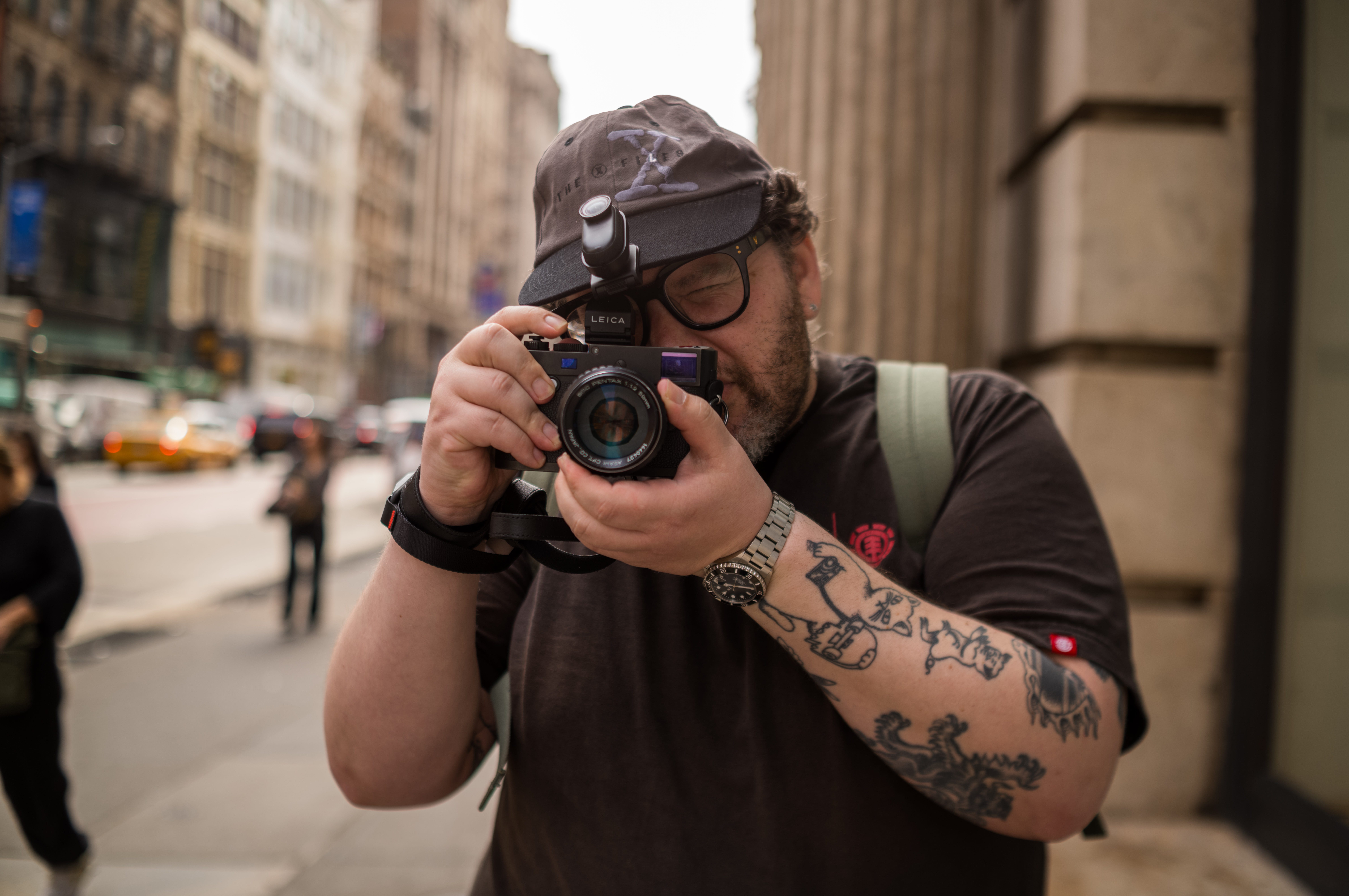
Another thing that became clear pretty quickly, community isn’t built in big moments.
It’s built in the in-between.
The familiar faces. The conversations that pick back up where they left off. The feeling that if you walk in on a random afternoon, there’s a good chance you’ll see someone you know.
You can fill a room for a night. That doesn’t mean you built anything.
What matters more is whether people come back when there’s nothing special happening. That’s when you know something is actually there.
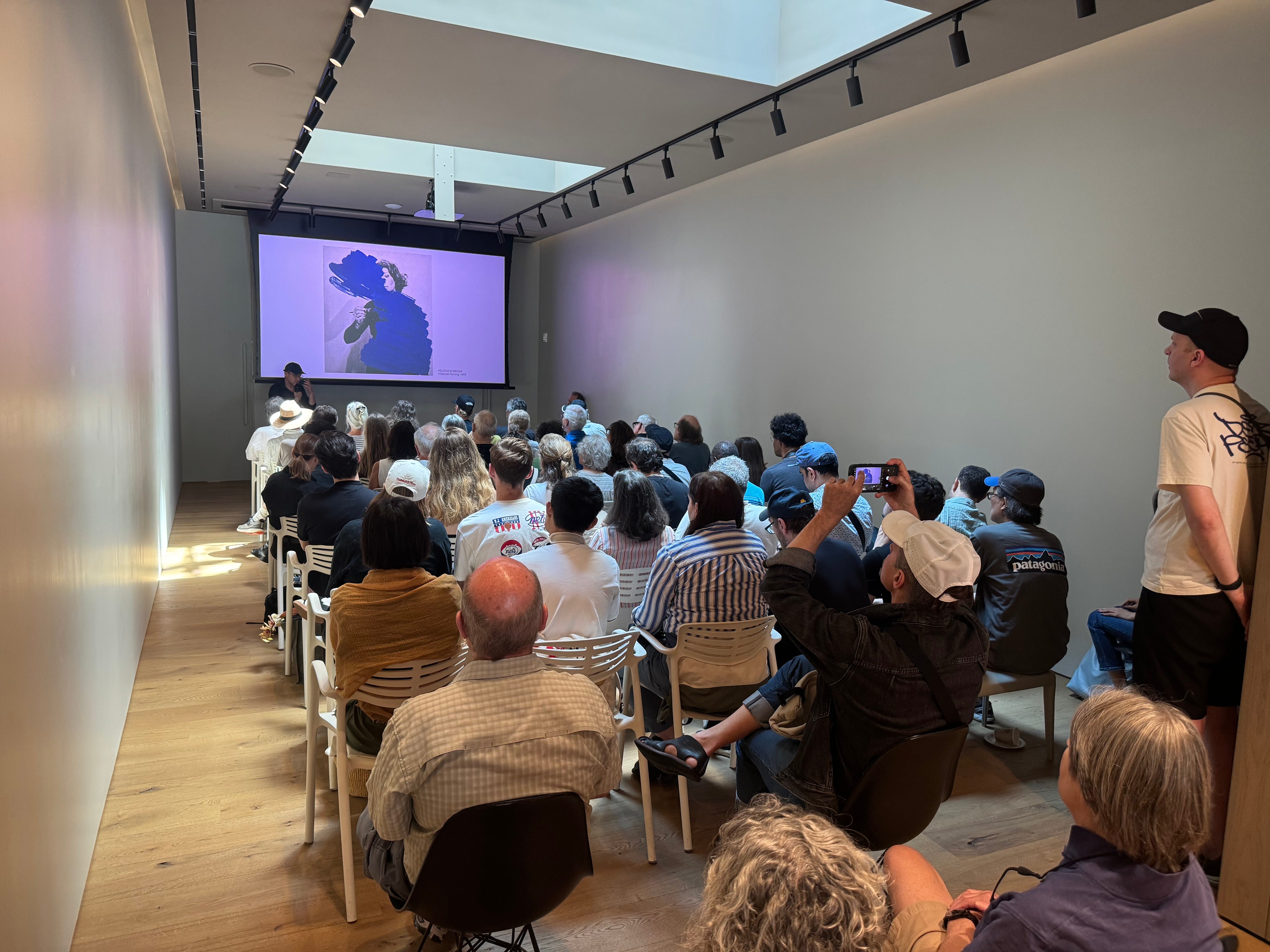
There’s also a shift that has to happen in how you think about ownership.
The moment a space feels like it belongs to the brand, you lose people. The moment it starts to feel like it belongs to the people in it, you gain something real.
That’s a hard balance. You’re still responsible for the environment, the programming, the tone. But the goal is to create something that feels open, not controlled. Something people can see themselves inside of.
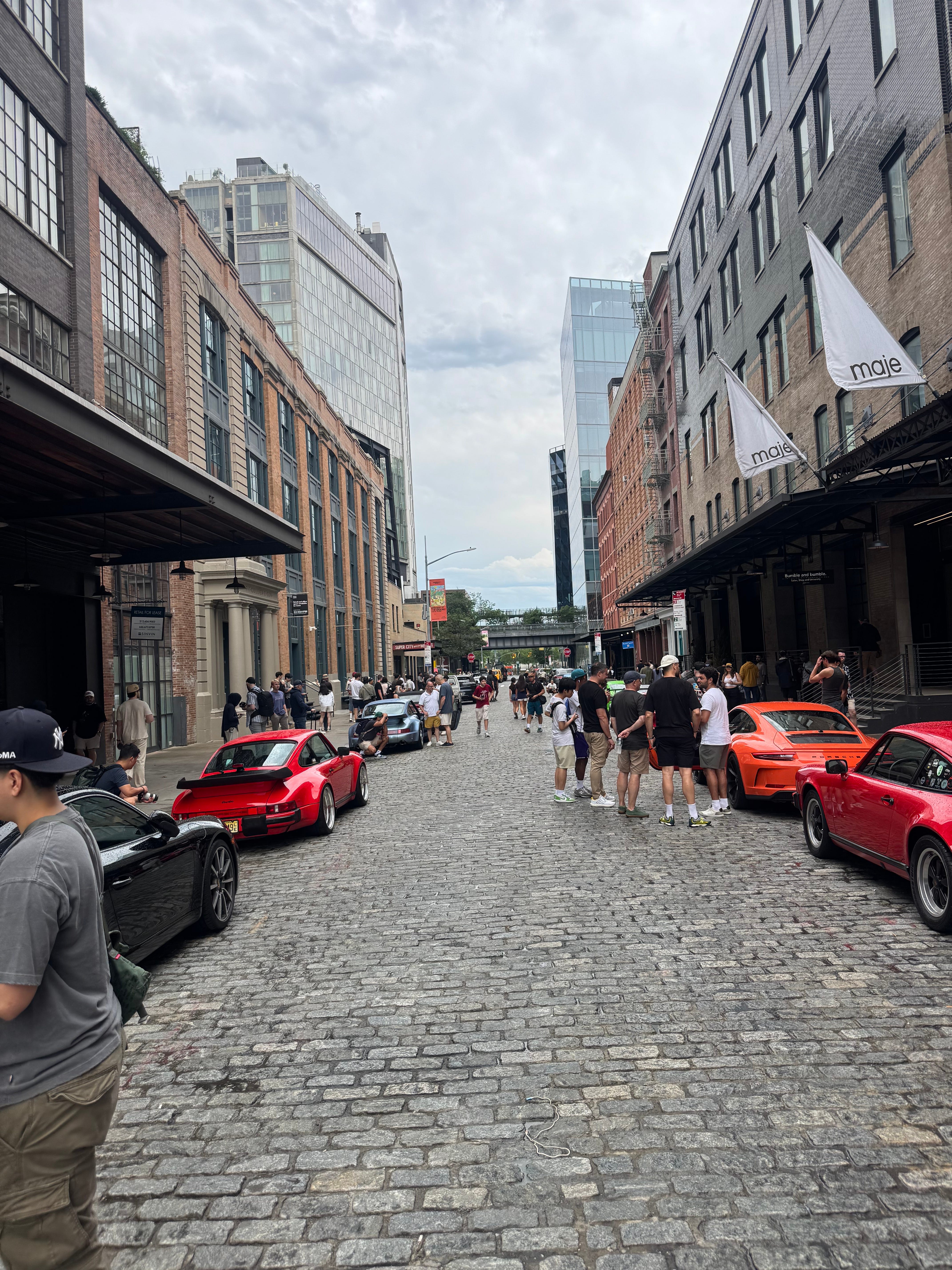
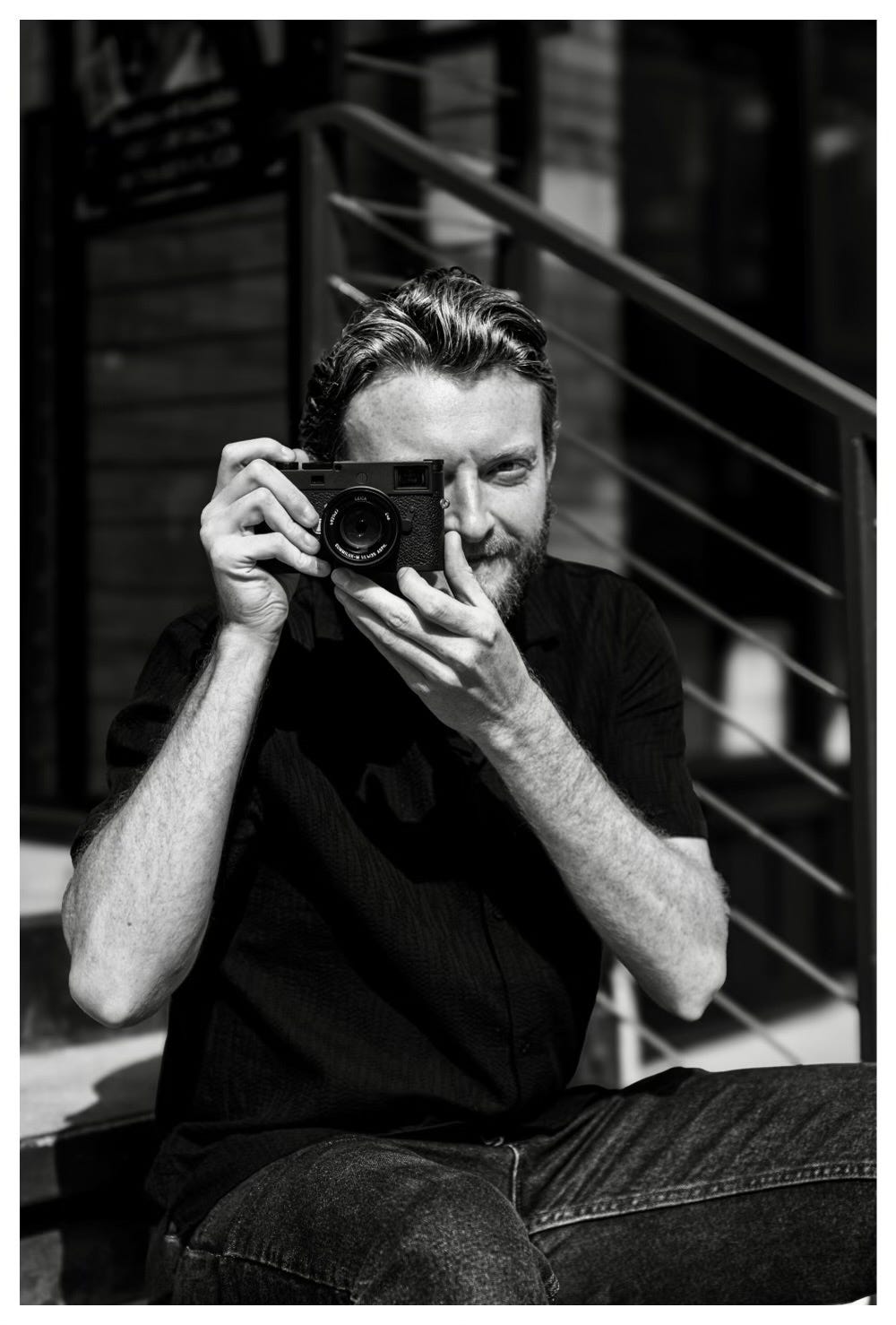
One thing that’s helped me more than I expected—I actually use the same tools as the people coming through the space.
So conversations don’t feel transactional. They feel shared.
There’s a different kind of trust that comes from understanding the process, the frustrations, the small wins that only other people in that world really notice. It removes a layer. You’re not outside of it, trying to manage it. You’re in it, experiencing it alongside them.
It’s a subtle shift, but it changes everything.
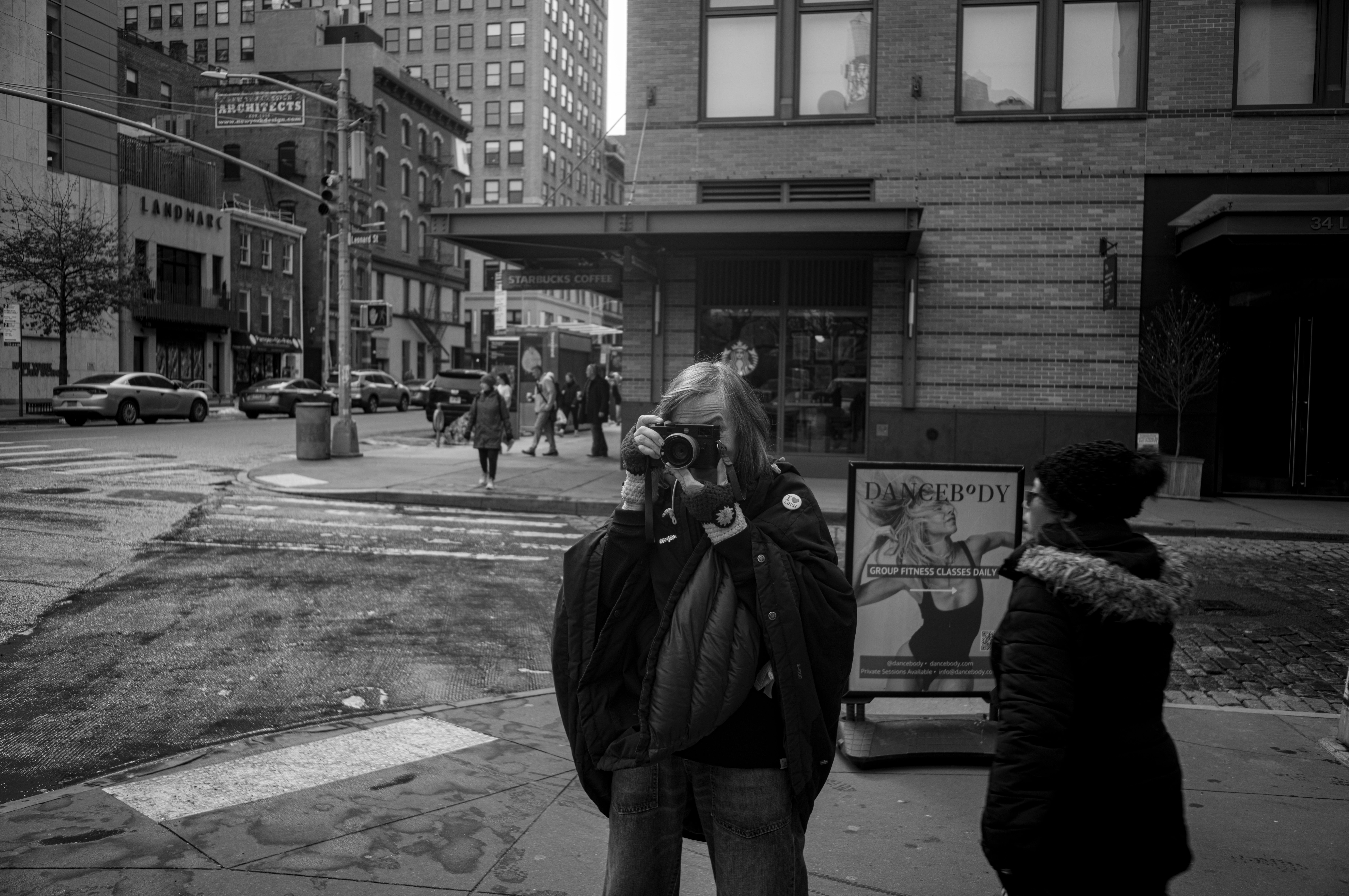
And then there’s the part that’s harder to define, but just as important—taste.
Not every event needs to happen. Not every collaboration makes sense. Not everything should be for everyone.
The feeling of a space, the people in it, the work being shown—it all adds up to something. People can tell when that’s intentional, and they can tell when it’s not.
Curation isn’t about exclusivity. It’s about clarity.
I’m still figuring a lot of this out as I go. There’s no clean formula for it and most of the time it’s slower than you want it to be.
But if there’s one thing I’ve learned, it’s this:
Community isn’t built when it’s convenient for the brand. It’s built when the brand shows up consistently—even when there’s nothing to promote.
That’s the work. And honestly, that’s the part I’ve enjoyed the most.
Yes! Looking forward to coming back to visit this community!
Love this and spot on